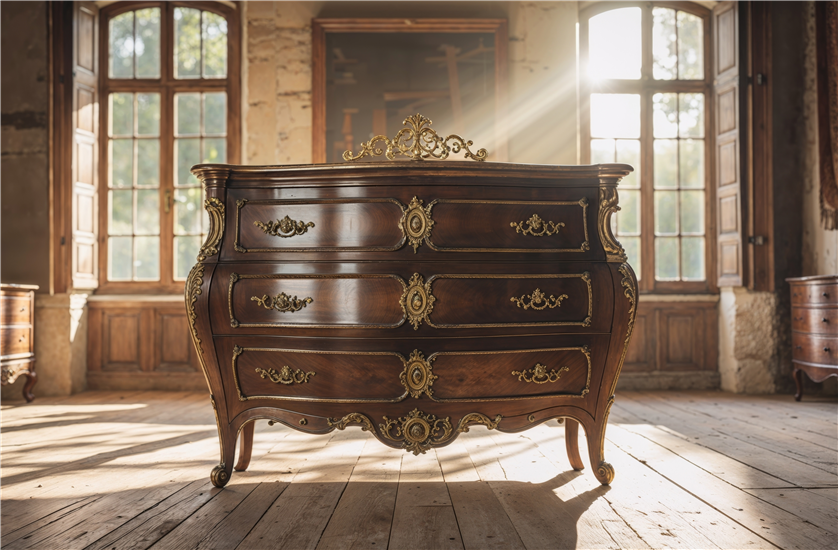
This article will take you on a journey to discover the elegance and timeless charm of antique French furniture. Join us to celebrate the historical significance and the exceptional craftsmanship that contributes to their appeal.
We will examine styles that range from the grandiose Louis XIV, through to the Art Deco era, mentioning our favourite artisans. We'll explore why French antique furniture accounts for approximately 30% of the European antique furniture market.
Finally, we’ll explore why these pieces hold a special place in European heritage, standing out against other European furniture through timeless beauty.
If you're a seasoned collector, an interior designer, or simply an enthusiast, there's something here to inspire.
Exploring key styles: from Louis XIV to Art Deco
Classic French furniture captures the essence of evolving ideas. The reign of Louis XIV introduced a grand style, recognised due to its symmetry and imposing formality. Furniture from this period was functional and a statement of prestige.
As we transition into the period of Louis XV, the contrast is striking. Here, the Rococo style flourishes. This period is characterised by its lighter, fluid lines and a playful approach, marked by intricate carvings.
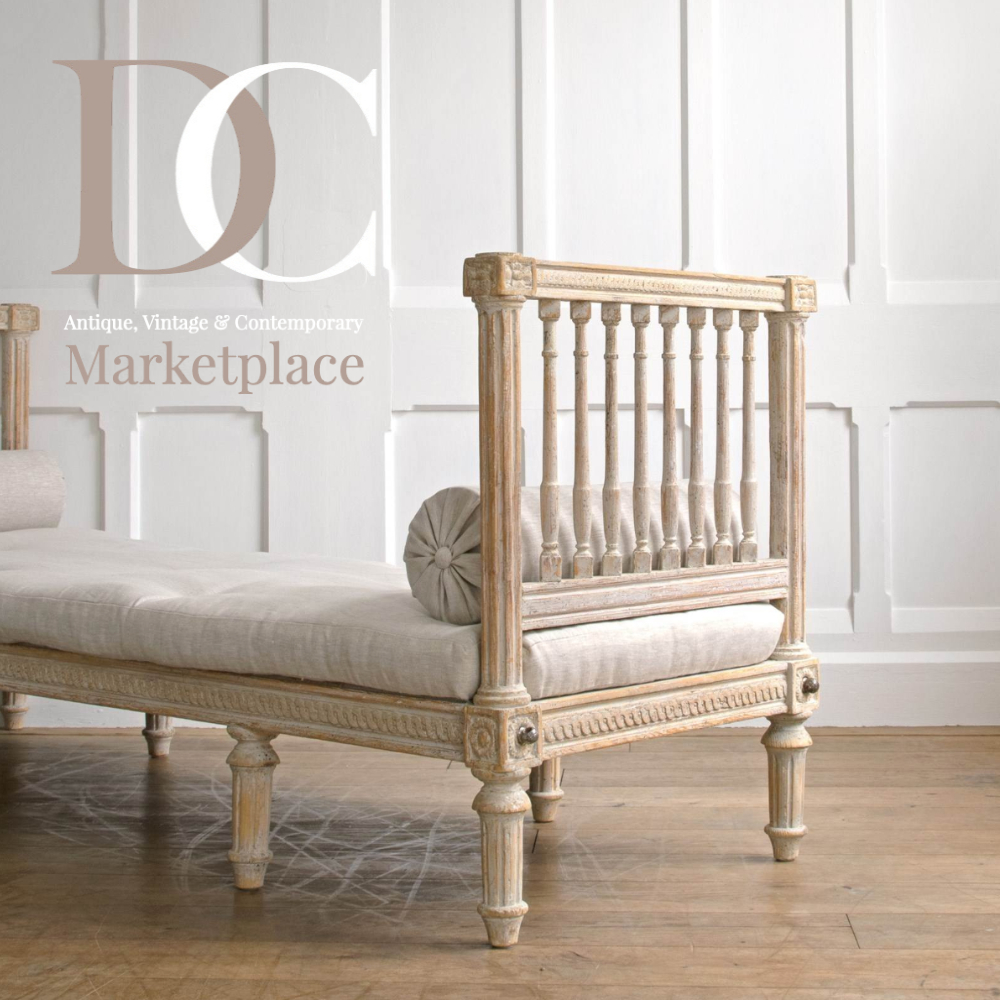
The pendulum swings back toward classical influences with Louis XVI, who embraced neoclassical ideals. This style draws heavily from ancient Greek and Roman art, featuring straight lines and decorative motifs such as laurel wreaths and classical columns. It often includes heavy, richly decorated pieces with symmetrical designs.
In the 19th century, French furniture adopted a bolder, more monumental aesthetic, influenced by Napoleon's conquests.
By the time we reach the early 20th century, Art Deco brings yet another evolution with its streamlined, geometric forms and modern appeal.
Understanding these key styles not only reveals the shifts in aesthetic preferences through centuries but also offers you insight into how these pieces can enhance and enrich contemporary spaces, inviting a touch of history and art into your home.
The artisans behind the craft
As you learn more about antique French furniture, you'll encounter the minds behind these masterpieces. Each craftsman has unique and remarkable talents. Here are a few of our favourites:
André-Charles Boulle: Boulle is renowned for his marquetry techniques, famously known as "Boulle work," which combined tortoiseshell, brass, and pewter to create stunning inlaid designs.
Jean-Henri Riesener: Celebrated for furnishing the royal palaces in the 18th century, Riesener was a primary supplier to Marie Antoinette.
François Linke: A master of the late 19th and early 20th centuries, Linke's work transcends the Art Nouveau and Rococo Revival movements.
Each artisan combined their unique aesthetic and technical prowess, creating timeless art.
Their contributions have ensured that antique French furniture continues to captivate admirers with its beauty and enduring cultural significance.
Why antique French furniture stands apart in Europe
Antique French furniture stands apart in Europe due to its exceptional attention to detail, artistic flair, and historical significance.
French furniture often features intricate carvings, elegant curves, and an abundance of decorative elements that reflect the cultural richness and artistic outlook of its eras. Because of this, antique French furniture from the 18th century can fetch prices 20-30% higher than similar pieces from other European countries.
Each piece serves as a historical marker, embodying the socio-political narratives and aesthetic values of its time, offering a unique glimpse into France's evolving artistic legacy.
This blend of beauty, heritage, and craftsmanship elevates French antiques above the rest, making them highly coveted by collectors and connoisseurs worldwide.