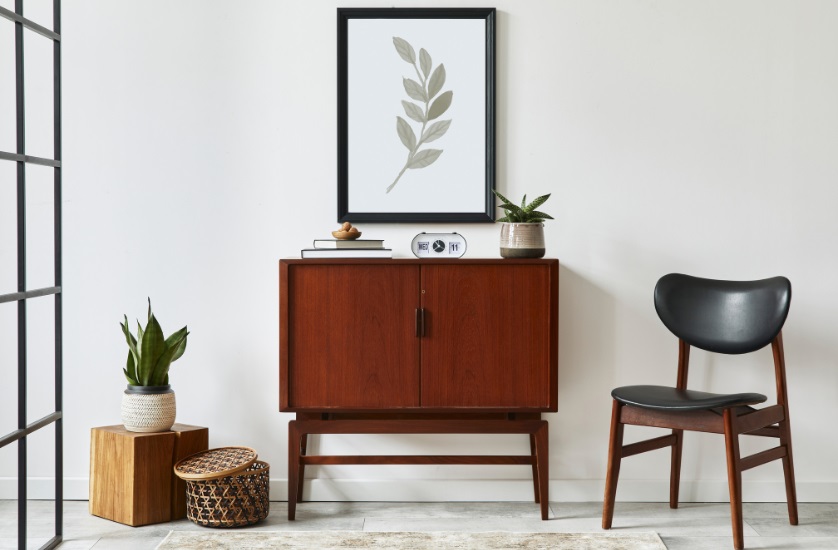
People wonder why some mid-century furniture still feels fresh and remains fashionable; there’s a simple answer. Built with a blend of simplicity, warmth, and practicality, these pieces remain functional while also adding style to your space. In this blog, we’ll cover the origins of mid-century design, why it’s so impactful, and how to find the perfect piece for you.
Where did mid-century design originate?
Mid-century design originated between the mid 1940s and the mid 1970s, making it one of the most reactive design movements after the war. During this time, designers and architects used new materials developed for the war, such as moulded plywood, plastics, and fibreglass. This helped to start a trend of mass-produced, affordable furniture, led by people like Charles and Ray Eames, who made high-quality design accessible. They were heavily influenced by Scandinavian design's simplicity and natural aesthetics, and pioneered the way for modern living.
Throughout the 1900s, we saw a shift from ornate styles towards functional, everyday design. With a wave of influence from the West Coast of America, mid-century modernism became a prominent architectural trend, particularly in California, that favoured large windows, open spaces, and the integration of nature into the home. This acted as a functional alternative to pre-war styles.
What makes mid-century furniture so distinctive?
Mid-century furniture is known for its timeless aesthetic. Stemming from a unique combination of minimalist design and functionality, it quickly became a popular and distinctive style.
Known for its clean lines, tapered legs and simple silhouettes, mid-century design definitely followed the ‘less is more’ rule. It tends to avoid heavy ornamentation and excessive detail, prioritising a sleek and simple look that supports a range of functions and practicality. Most pieces were designed for modern, smaller homes and flat living, resulting in more compact and versatile designs.
Many of these antiques can be recognised by their organic and geometric forms, for example, two common inspirations are the shapes of leaves or kidneys. This style reflects a desire to merge the outside world with your home, using natural materials and designing pieces that complement your room's natural light rather than dominating it. While often relying on natural wood tones, mid-century design incorporated vibrant, bold, and muted accent colours such as yellows, greens, oranges, and blues to bring a room to life.
Materials, craftsmanship, and why it still feels special
Warm, rich woods are a key element in mid-century design, with teak being one of the most popular, especially in Scandinavian-inspired pieces. Other woods commonly used include walnut, oak, beech, and rosewood, often used in solid form for furniture legs and in pieces such as sideboards and tables.
Mid-century craftsmanship is often described as minimalist and high-quality, making the pieces last far longer than modern-day mass-produced furniture.
Finding the right mid-century furniture for your space
When choosing the right piece of mid-century furniture for you, prioritise function. Whether it’s storage, seating, or dining materials, it should match your lifestyle and offer practicality. When buying antique pieces, make sure to check their joints and look for any past repairs, stains, or potential restoration opportunities.
Mid-century furniture can be integrated into any home; you just have to find something that serves you. Their timeless and practical nature makes them perfect for busy homes that need to prioritise functionality while still maintaining aesthetic appeal.