Woodworm is one of the most common concerns for antique collectors. It can appear alarming, but in most cases it’s historical, rather than active. In this guide, we will explain what woodworm is, how to identify it, and some treatment options that have proven effective.
What is woodworm?
So, what is it? Woodworm isn’t actually a worm; it’s the larvae of wood-boring beetles. These larvae tunnel through wood as they feed, causing structural damage, eventually emerging as beetles.
Antique furniture often shows signs of long-ago use, especially in softwoods or untreated timber. It’s important to note that woodworm isn’t just a cosmetic issue. It can compromise the structural integrity of wooden beams, joists and flooring, making early detection and treatment crucial.
Some of the most common types include:
The common furniture beetle (Anobium Punctatum) is most common in the UK.
The death watch beetle (Xestobium Rufovillosum) is often found in older, historic buildings.
The house longhorn beetle (Hylotrupes Bajulus) is primarily found in the South East of the UK.
Signs of woodworm in antique furniture
There are some key signs to look out for when identifying woodworm. Here is a checklist to follow:
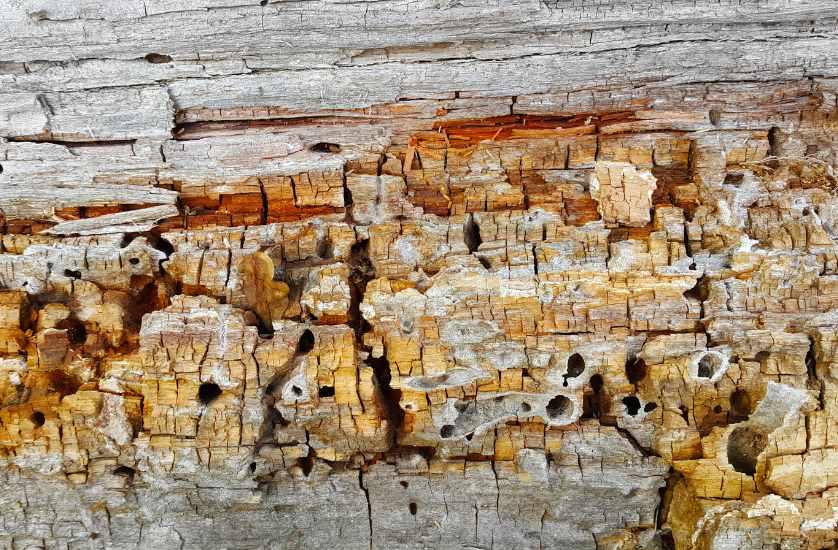
Small round exit holes, often around 1-2mm
Fine, powdery dust, referred to as ‘frass’, around holes or beneath furniture
Weal or crumbly areas of the wood
Damage to joints or structural looseness
Note: Some holes are purely cosmetic and not necessarily an issue.
Is the woodworm active or old?
It’s important to figure out whether or not the woodworm is active or old, as historic instances are less of a threat to your antique. Here’s the difference:
Old woodworm
When looking at old woodworm, you’ll notice that the holes look dark, the edges have been smoothed, and there won’t be any new dust.
Active woodworm
Key indicators of active woodworm include light-coloured holes and fresh dust that reappear.
It’s always good to monitor suspected woodworm over a few weeks. This is easily done by placing paper underneath your item to help spot new frass. If you suspect active woodworm, it’s always recommended that a professional assessment be performed, especially if the piece is valuable or the damage is extensive.
How to treat woodworm
There are 3 simple, effective treatment options for woodworm.
DIY woodworm treatment
DIY treatments are best suited for small, manageable areas. Start by brushing or spraying woodworm fluid on the antique, focusing on holes and edges. Repeat as necessary and allow to dry thoroughly.
Professional woodworm treatment
For high-value antiques, widespread infestation or structural pieces, it’s recommended that you seek professional treatment.
Repair and restoration
To fill holes, reinforce weak areas, and replace badly affected wood, we recommend having the piece professionally restored.
How to prevent woodworm in future
When it comes to your antiques, it’s important to be proactive and try to prevent woodworm. By keeping your pieces dry and well ventilated, you're reducing the risk of damp, which attracts woodworm. Avoid storing antiques in garages, sheds or humid rooms.
Keeping antiques waxed or polished can help protect their surface, depending on the finish, and inspecting any new purchases before bringing them into your home is essential. We recommend regularly checking hidden areas, such as undersides, backs, and drawer bases, to ensure no signs go unnoticed.
Protecting your antiques from woodworm will keep them in the best possible condition for future generations to enjoy.