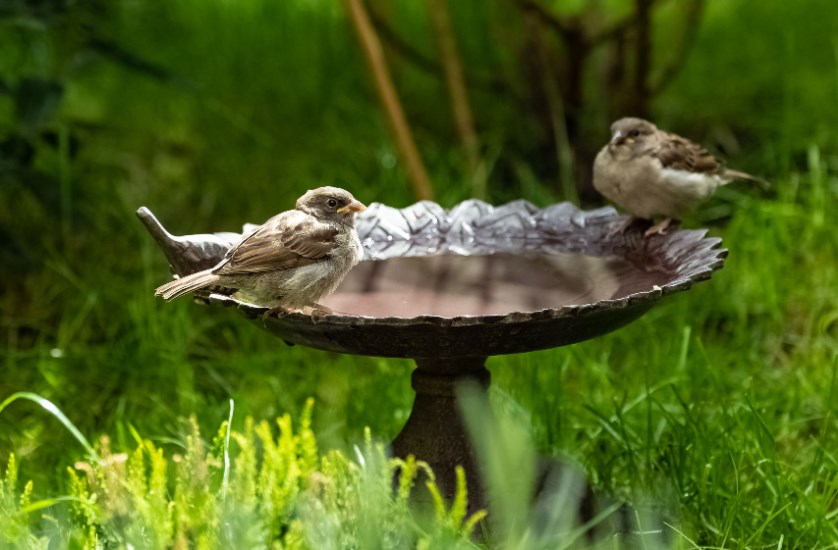
Garden bird baths are among the simplest ways to attract birds and other wildlife to your garden. No matter the size of your space, birds are one of the most effective ways to transform your outdoor space into a thriving, balanced ecosystem, as they pollinate plants and boost local biodiversity.
Antique and vintage bird baths can add a distinct design element to your space that modern mass-produced designs don’t. In this blog, we will cover why you should choose antique pieces, how to choose the right material for you, and some design tips.
Why choose an antique bird bath?
Bird baths are quite a common feature in UK gardens, so why choose to buy an antique?
Firstly, antique pieces hold character, patina and craftsmanship that you won’t find in a garden centre. They’re built to last and were often manufactured using much heavier and more durable materials. Each bird bath will be unique, whether that’s down to shapes, carvings or weathering; it all tells a story. When looking to find the right antique bird bath for you, make sure it’s something that you love, as they double as sculptural focal points, even outside of bird season.
Choosing the right material
There are four main materials that were frequently used to craft antique bird baths:
Stone bird baths: Stone is a classic choice of material for bird baths, due to its weight and the way it beautifully weathers over time. These pieces often attract moss and lichen, which add to their look, and are ideal for traditional or cottage-style gardens.
Concrete bird baths: Concrete is a sturdy and more affordable option, which is often used to mimic stone. These bird baths are better suited for larger gardens where weight isn’t an issue.
Cast iron bird baths: Cast iron was particularly popular during the Victorian era, creating ornate bird baths with strong silhouettes. They are still just as durable as other materials, however they may need occasional rust treatment.
Metal bird baths: Metals such as copper, zinc, and wrought iron offer much lighter options for bird baths. These materials can patina attractively, as well as being much easier to move and reposition.
Where to place your bird bath
Your bird bath placement is essential to how effectively you will invite wildlife into your garden. Make sure to keep it somewhere visible from a window so that you can actually see and enjoy the wildlife, but also near shrubs or trees, as birds like cover nearby for quick escapes from predators. Keep your bird bath away from dense ground-level planting where cats could hide, and keep them on level ground or a stable plinth to make sure they stand sturdy.
Keeping it wildlife-friendly
To get the most out of your bird bath, there are a few things you should do.
- Regularly refresh the water, especially in summer.
- Scrub them down gently to prevent algae build-up, but avoid chemicals that may cause damage.
- Add a stone or pebble so that smaller birds and insects can perch safely.
- When it comes to the winter months, break any ice that may have formed, or use a floating object to prevent full freezing.
A well-maintained bird bath will attract more than birds. Hedgehogs, bees and butterflies will visit too.
Upgrading your garden with a bird bath
An antique bird bath brings beauty, wildlife and year-round interest to any outdoor space. They encourage the habitats within your area to thrive, as well as inviting new animals to your garden.