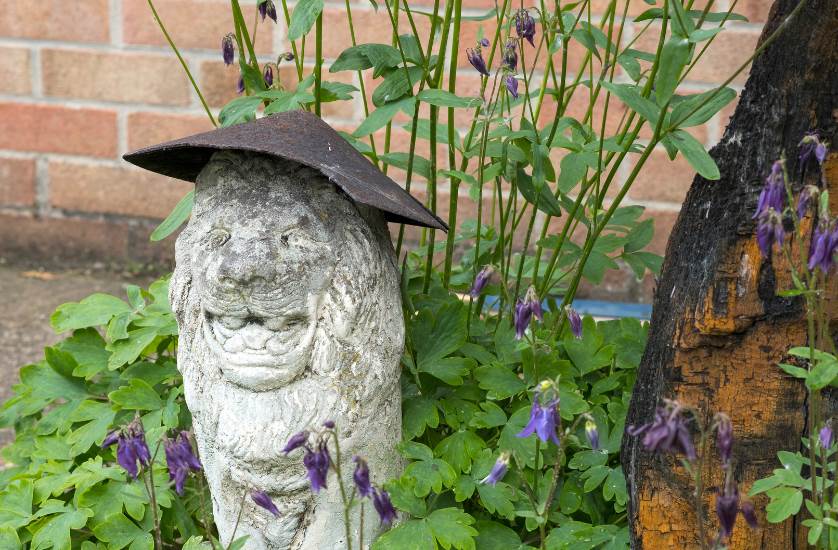
Antique statues and sculptures can instantly add character and a sense of story to a garden.
Depending on your chosen style, material, size, placement, and care, they can help you make your space reflect your personality. In this blog, we will guide you through the best ways to choose the right statues and sculptures for you and how to present them.
Decide what role you want it to play
Before finding your new antique sculpture, you need to decide what role it will play in your space. Are you looking for a new focal point, like a centrepiece for your lawn or patio, or a surprise detail tucked away among the plants?
Whatever it may be, garden statues are a classic and versatile piece, making them a great choice for people who like to shuffle their decor around every so often.
Choose a style that suits your garden
There are a variety of different styles of antique statues that you can choose from to suit your style. The key tip is to keep it practical and match your home’s existing exterior and planting style.
For a more classical, traditional aesthetic, we recommend choosing urns, figures, or busts to complement your existing decor pieces. If you prefer something more timeworn and rustic, then it’s important to look at the materials of each antique. Look for stone or weathered and mossy textures. For more modern spaces, veer towards more architectural and abstract pieces for a simple, effective look.
Material matters: what will age best outdoors?
When finding something to suit your needs, material certainly matters. Here are a few things to bear in mind when choosing your next antique:
Stone - often the most natural looking weathering, heavy and timeless.
Cast iron/metal - strong silhouettes, can patina or rust and can need more upkeep than other materials.
Concrete/reconstituted stone - durable and often much easier to place than old stone
Terracotta/ceramic - makes beautiful antiques, but it is more vulnerable to frost.
Although it may seem odd, weight is a key factor in choosing your antique. The requirements can be affected by the weather conditions, local wildlife, and its desired home.
Get the scale and placement right
While you can make a landscape work with your antique, it’s much easier to find something that will fit an existing space. That’s why we would always recommend checking the following things before going on the hunt for a new antique sculpture.
Measure the area first - this includes the height and footprint.
Avoid going too small in large spaces - if you want the piece to stand out, make sure it doesn’t get lost.
Consider sightlines - what can you see from your windows and doors?
Think about stability - depending on the material, you may be working with a very delicate piece. Consider a level base and displaying your antique away from any busy footpaths.
Use pairing ideas - things like plinths, pedestals and planting can help to frame your antique.
What to check before buying
Here’s a quick checklist of what to check before you buy:
Condition (cracks, chips, or repairs)
Stability
Signs of previous outdoor use
Whether you're happy with a patina vs a restored finish
Transport and positioning
Choosing the right antique garden statues or sculptures shouldn’t be difficult; it’s all about finding the right fit for your space.